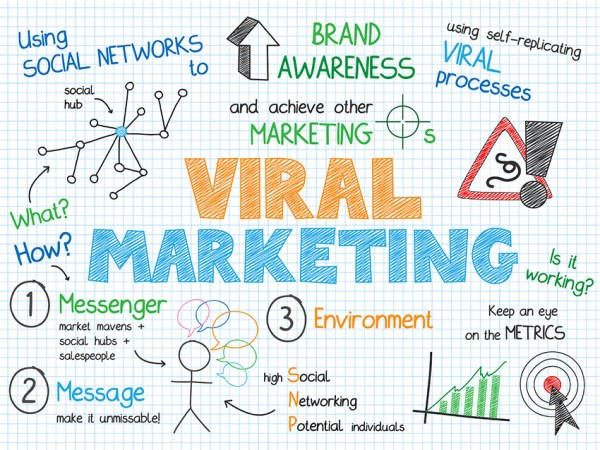
We’ve all seen viral posts on the internet, some spark outrage, invoke humor, or positivity, but the general idea behind a viral marketing campaign is to increase brand awareness. Now let’s talk about the difference between a viral marketing campaign and something that naturally goes viral.
Viral Marketing Campaign vs Naturally Viral Content
A viral marketing campaign is designed to go viral; it is carefully planned, and a strategy is involved. Marketers meticulously craft content and plan strategies to market a product or service, ensuring it maximizes the chances for widespread sharing. A recent example of this would be American Eagle and the Sydney Sweeney ad. A catchy pun turned into something totally unexpected due to the current political divide in the United States, and in turn, made American Eagle’s ad go viral. While their stock has risen, controversy still surrounds the ad, and negative push back is one aspect of a viral marketing campaign that poses a risk. Once it goes viral, the brand has very little control over the outcome.
Organic Viral Content
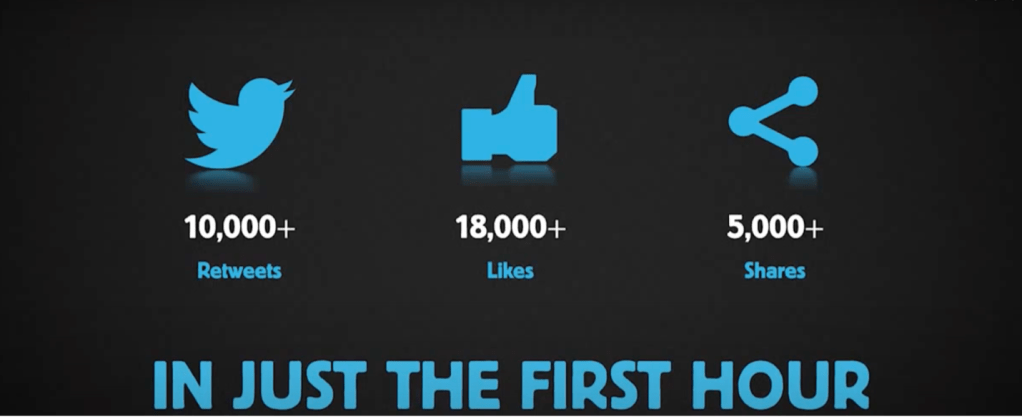
Organic viral content goes viral for some of the same reasons viral marketing campaigns go viral: they can spark emotion, are relatable in some way, are entertaining or funny, or grab people’s attention on social media because a large number of people see it. It also isn’t necessarily something that was planned; it could have been a random post or video by a company that went viral unexpectedly. The key difference is that it isn’t planned to be a viral marketing campaign; the intent wasn’t there, but something about it made people want to share it. A good example of this is Oreo’s “Dunk in the Dark” Tweet at the 2013 Super Bowl. They took an unexpected situation and created a catchy tweet that resonated with the audience, going viral with fantastic results.
Characteristics of a Viral Campaign
Content that is Emotionally Engaging: Viral content must evoke some kind of strong emotion. It can be humor, curiosity, nostalgia, even outrage. It’s more likely to be shared if hits hard.
Creativity is Key: Most successful viral campaigns are innovative and unconventional in their approach. Content that is taboo or even controversial can turn from static to viral, if done right. Sydney Sweeney anyone? Her ad was about Jeans, but clever wordplay evoked strong emotions from people who took it for more than what it was and all because of current cultural and political differences.
The Content must be Current: Viral marketing should connect with contemporary events, popular trends, emotions, the political climate, and pressing issues. By utilizing current news and topics, the promoted content gains context and resonates with the audience, making it more relevant.
Utilize Powerful Imagery: You know that saying, “a picture is worth a thousand words”? It really is true when it comes to viral marketing. It’s all about grabbing your audience’s attention. If your content isn’t engaging, people will scroll past it. And it’s not just about images; videos are subject to the same rules.
It must be Shareable: When content is easy to share, the faster it spreads. The more people it comes into contact with the better, this is why it’s called VIRAL marketing.
Benefits and Risks of Viral Marketing
Viral marketing offers several key benefits. It is a cost-effective way to reach a large audience compared to traditional advertising methods. When content goes viral, it provides an opportunity for a brand to expand its consumer base without significant investment. Additionally, viral marketing captures attention, allowing individuals who may not have been part of your initial target audience to become consumers of your brand. However, with all the online engagement that comes from viral marketing—whether positive or negative—there are also significant risks involved, particularly the potential for negative attention. Once something goes viral, a brand has little control over the narrative. The nature of viral marketing makes it more likely that there will be criticism and misinterpretation of your content. For instance, even a pun meant to be catchy, like “Jeans vs. Genes,” can be turned into something negative, even if it was intended to be witty. Ultimately, you have no control over how your content will resonate with people or whether it will achieve the desired outcome.

Conclusion
Viral marketing carries inherent risks, as it can lead to less desirable outcomes. While it has its advantages and can be highly successful when executed effectively, there is always a chance that adverse consequences may arise. To get the most out of viral marketing, you need to plan carefully and think strategically. This approach helps you take advantage of its benefits while reducing possible risks. If you are successful you can potentially increase brand visibility and foster engagement with an untapped audience.
Do the benefits outweigh the risks? Tell me what you think and leave a comment.
References:
Andrew Mendez-Spera, M. (2024, September 13). Five elements of every viral marketing campaign. Tipsy Social. https://getwithtipsy.com/social-media/viral-marketing-five-characteristics-successful-viral-campaign/
Kakadia, K. (2025, February 10). Unlocking viral marketing: Strategies for Explosive Growth – Sociallyin: A Social Media Management Company. Sociallyin. https://sociallyin.com/blog/viral-marketing/#:~:text=Characteristics%20of%20Viral%20Marketing%20Campaigns,-Before%20creating%2C%20let&text=In%20most%20viral%20marketing%20campaigns,time%2Dworn%20ideas%20of%20competitors.
Kimbarovsky, R. (2025, May 30). Viral marketing: Strategies, insights, lessons, and examples from successful campaigns. crowdspring Blog. https://www.crowdspring.com/blog/viral-marketing/
Matthews, B. (2024, August 8). Understanding viral marketing: What it is and how it works | alliance virtual offices. https://www.alliancevirtualoffices.com/virtual-office-blog/viral-marketing-campaigns/
 Social Success