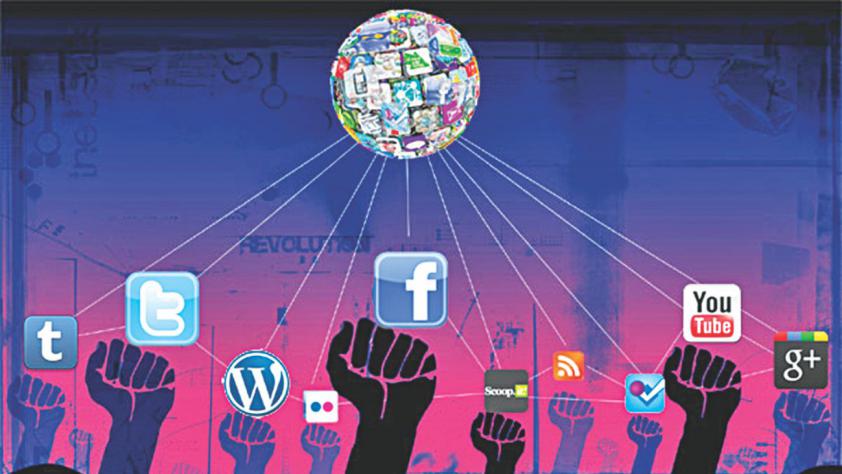
We’ve all experienced Cyberactivism at some point, especially if you spend time on social media. People ask you to share a picture or change your status to show your support. At some point, you have to ask yourself, what, if anything, does this do to help this specific cause?
Breast Cancer Awareness Month Meets Cyberactivism
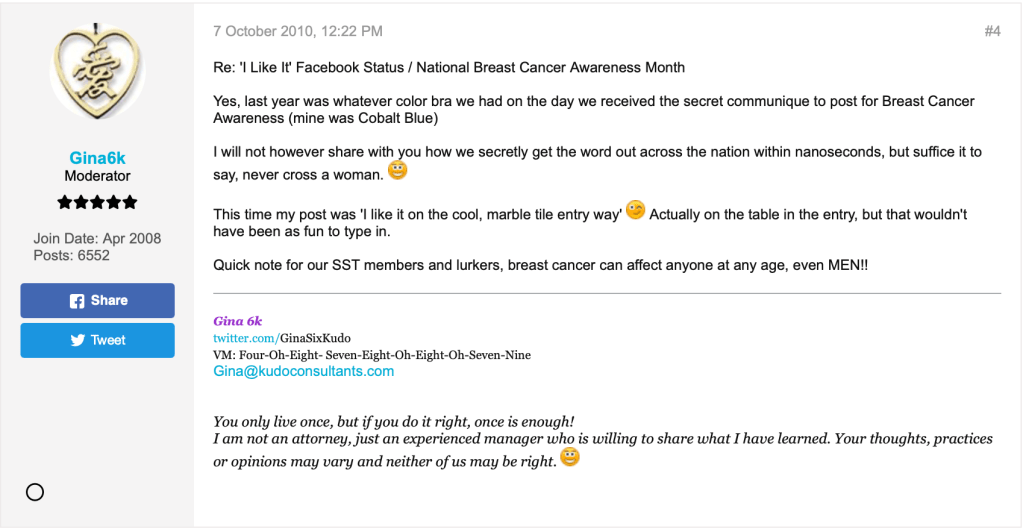
Breast Cancer Awareness Month is held in October, and we tend to see a lot of different organizations asking for donations to help with research. One such example of Cyberactivism for Breast Cancer Awareness Month was when women privately messaged other women asking them to put a single colour as their status update and that it be the colour of the bra they were wearing. This viral meme has continued but varied each year, with another one asking women to change their Facebook status to the location in which they like to keep their purse, with answers being “I like it on the desk” or “I like it behind the couch” which sexualized the meme and caused more women to share it.
Did It Really Help?
The meme was very successful in its call for women to participate, but did it truly result in people actively going out and supporting people with breast cancer? The Susan G Komen Foundation reported increased interest and contributions after the memes became popular but couldn’t link the cause directly to the meme’s success. Another issue was that some felt that sexualizing breast cancer was not ok, while others had hoped that a more productive option had been considered, such as sharing breast cancer prevention materials or sharing information about where you could place a donation. The biggest issue is that there was no real-life call to action, unlike other fundraising methods for breast cancer research like Relay for Life, where participants actively participate.
Virtue Signaling
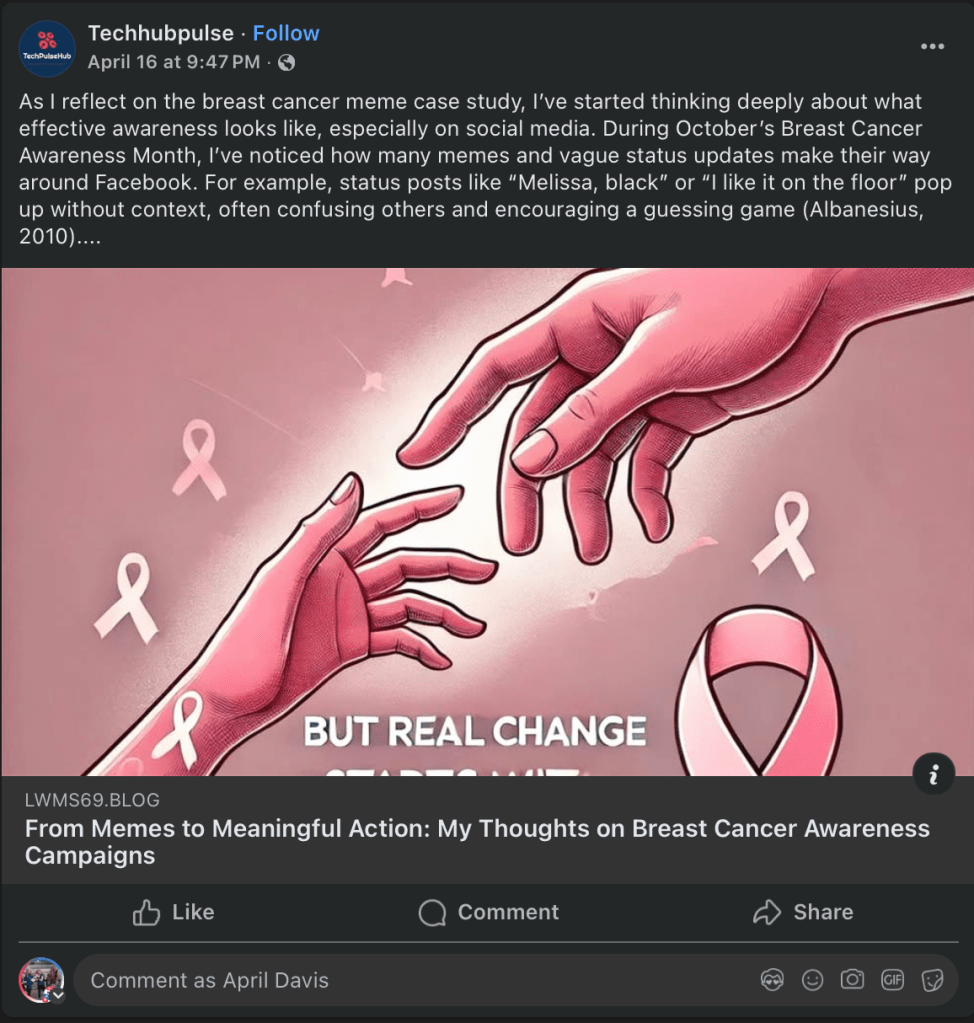
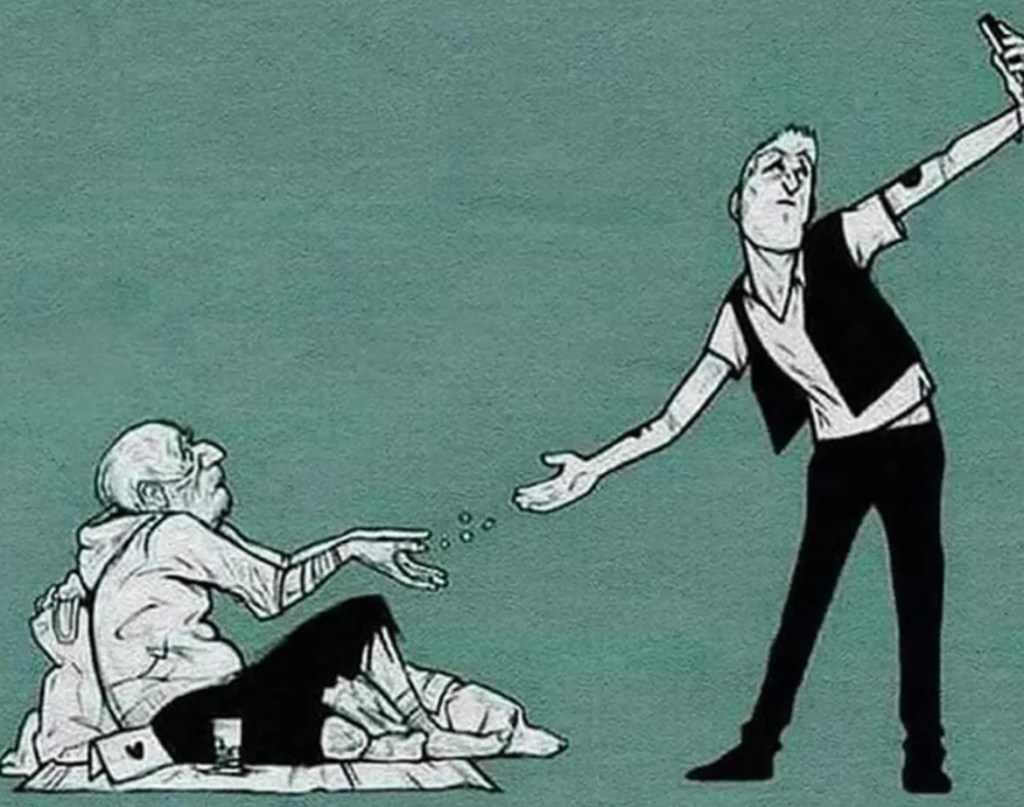
Some argue that Cyberactivism is nothing more than an ineffective and lazy form of activism that produces no result, with some taking the opportunity to join in simply to look as if they care but not following up with an action that helps the cause. While the Breast Cancer Awareness meme allowed people to participate, there was no result from it, and most people didn’t know what the status updates meant if they didn’t get the initial message explaining it, so you must ask, what did it accomplish in the end? Did it raise awareness for the cause? Or was it just a way for people to feel like they did something good without real participation?
A Campaign With Results
If you want to get results from your social media campaign, it would be beneficial if that campaign were linked to something tangible. This could be a link to information that could benefit someone, a chance to volunteer, donate money, sign a petition, or write a letter that could affect some kind of change. Social media has the power to spread information very quickly, which can garner support for issues, especially when it comes to supporting people who are fighting cancer. But people must ensure your campaign isn’t highjacked, which could discredit your cause.
Overall, social media is a great place to start when you want to bring awareness to an important issue. Just be clear about what you are supporting and give people a real-life component that can help them truly support your cause with real results. Social media is very fast-paced, so it is essential to move quickly. Support for your cause may quickly die out, so short-term campaigns may work best.
 Social Success