Future Implications: AI

One change I think that most people can agree on is that AI will most likely start to impact people whether you want it to or not. This goes for those of us in the marketing profession as well. It is already largely used for market research and creating reports about the state of various industries or marketing sectors because of its efficiency. But don’t fret, AI won’t be taking over your job yet, but someone who knows how to utilize AI might, though, so getting ahead of the curve might give you an advantage.

AI is great at tasks that require high IQ capabilities: data analysis, pattern recognition, complex problem solving, but AI lacks empathy, creativity, and critical thinking which all go into human innovation, this is how we got AI to begin with, it didn’t just create itself.

Is AI a result of changes in human behavior or technology or both?

Of course, this is my opinion, but it is a result of both human behavior and technological advancement. It is human nature to innovate; to move forward, innovation is the byproduct of creativity, and creativity is paramount to human development. This is true in all aspects of our lives; if we don’t change and move forward, it can lead to cultural stagnation, social unrest, and loss of cohesion. While change can be difficult, it is necessary for growth. Which brings us back to AI.

How AI is Changing What We Do

AI is Changing how we do things. While it already helps with routine tasks by streamlining operations, it also helps businesses free up their Human Resources for other strategic activities. 

Real world Applications of AI:

•Credit Scoring

• Real-Time Fraud Detection

• Compliance Monitoring

• Managing Patient Records

• Inventory Forecasting

• Supply Chain Optimization

• Customer Segmentation

• Campaign Optimization

• Data Analysis

Content Creation

Another space in Marketing that we are seeing AI used in is content creation. Although I doubt that AI will cancel out content creators for social media marketing because of one distinct problem; it isn’t human.

There are distinct differences when you compare content that is the direct result of human writing compared to AI generated writing. AI gathers its information from online sources, and you know what they say about the internet, not everything is 100% truth. You still have to weed through everything to make sure content is accurate. Also, AI-generated content may do a marvelous impression of human writing but it lacks the depth and emotional intelligence of content written by humans. So you don’t have to say good-bye to your jobs just yet.

This tool is extremely useful. It can assist you in creating more engaging content, overcome writer’s block, and improve your writing mechanics. This way, you won’t sound like someone who skipped grammar lessons in school.

Data Protection and AI

But really, AI is helping to enhance how people do business but there are still huge hurdles to overcome, one of the biggest issues is data privacy and security issues. When AI models are trained their information is extracted from the Internet which can contain personal data, which can put that information at risk. Also, with new regulations that are being implemented around the world in regards to data protection, the use of AI may earn companies some large fines if they don’t ensure fair and safe use of AI models. So this is one area that still needs a lot of work to make sure people’s rights aren’t violated.

Conclusion

It’s clear that AI is changing the game in many fields, including marketing. While this technology offers fantastic tools for data analysis and streamlining tasks, it can’t replace the essential human qualities like creativity and emotional understanding. Instead of seeing AI as a competitor, we should view it as a helpful ally that can boost our efforts and allow us to focus on what truly matters—building genuine connections with people. As we navigate this changing landscape, it’s important to find a balance between harnessing AI’s potential and relying on our unique human skills. By staying adaptable and open to new learning, we can thrive in a world where AI plays an increasing role but doesn’t overshadow what makes our work uniquely human.

References:

Alves, C. (2025, August 8). 8 emerging trends CMOS need to watch: What’s next in content marketing. Search Engine Journal. https://www.searchenginejournal.com/trends-cmos-need-to-watch-in-content-marketing/550147/ 

Brito, M. (2021, January 12). To innovate is human. Maria Brito. https://blog.mariabrito.com/articles/2021/1/4/to-innovate-is-human 

Dibbly. (2025, January 15). Ai vs. human creativity: Examining the differences and similarities. https://dibbly.com/ai-vs-human-creativity-examining-the-differences-and-similarities/ 

Luna, J. C. (2024, September 5). The role of AI in Technology: How Artificial Intelligence is transforming industries | datacamp. Datacamp.com. https://www.datacamp.com/blog/ai-in-technology 

Pangaea. (2025, June 23). AI-Powered Data Automation. Pangaea X. https://www.pangaeax.com/2025/02/04/role-of-ai-in-data-task-automation/ 

Understanding Viral Marketing Campaigns and Their Impact

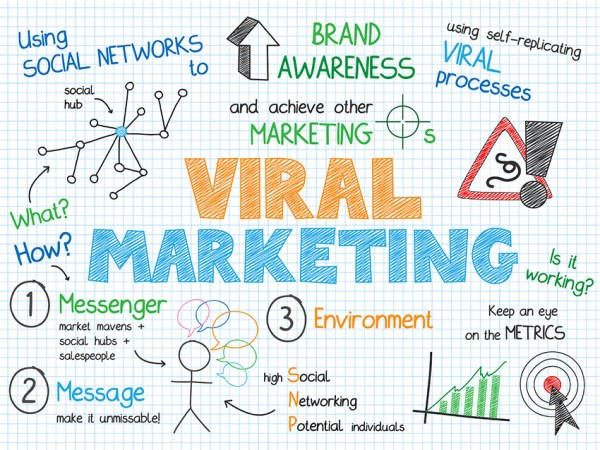
We’ve all seen viral posts on the internet, some spark outrage, invoke humor, or positivity, but the general idea behind a viral marketing campaign is to increase brand awareness. Now let’s talk about the difference between a viral marketing campaign and something that naturally goes viral. 

Viral Marketing Campaign vs Naturally Viral Content

A viral marketing campaign is designed to go viral; it is carefully planned, and a strategy is involved. Marketers meticulously craft content and plan strategies to market a product or service, ensuring it maximizes the chances for widespread sharing. A recent example of this would be American Eagle and the Sydney Sweeney ad. A catchy pun turned into something totally unexpected due to the current political divide in the United States, and in turn, made American Eagle’s ad go viral. While their stock has risen, controversy still surrounds the ad, and negative push back is one aspect of a viral marketing campaign that poses a risk. Once it goes viral, the brand has very little control over the outcome. 

Organic Viral Content

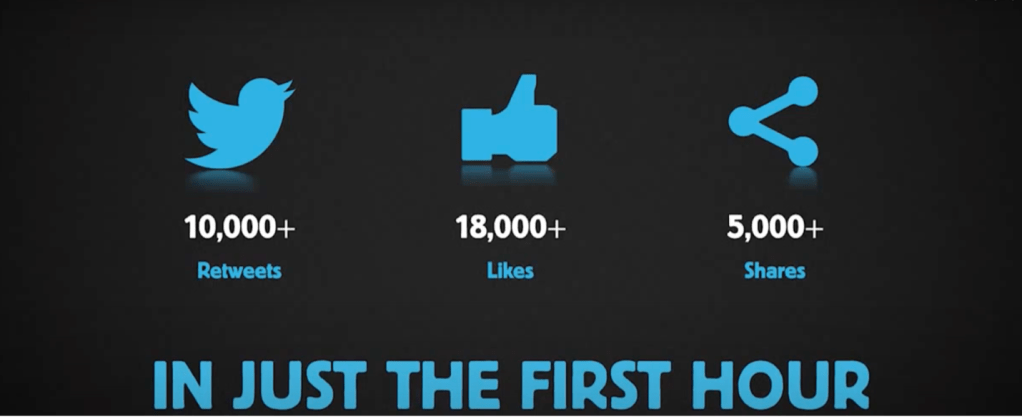
Organic viral content goes viral for some of the same reasons viral marketing campaigns go viral: they can spark emotion, are relatable in some way, are entertaining or funny, or grab people’s attention on social media because a large number of people see it. It also isn’t necessarily something that was planned; it could have been a random post or video by a company that went viral unexpectedly. The key difference is that it isn’t planned to be a viral marketing campaign; the intent wasn’t there, but something about it made people want to share it. A good example of this is Oreo’s “Dunk in the Dark” Tweet at the 2013 Super Bowl. They took an unexpected situation and created a catchy tweet that resonated with the audience, going viral with fantastic results.
Characteristics of a Viral Campaign

Content that is Emotionally Engaging: Viral content must evoke some kind of strong emotion. It can be humor, curiosity, nostalgia, even outrage. It’s more likely to be shared if hits hard. 

Creativity is Key: Most successful viral campaigns are innovative and unconventional in their approach. Content that is taboo or even controversial can turn from static to viral, if done right. Sydney Sweeney anyone? Her ad was about Jeans, but clever wordplay evoked strong emotions from people who took it for more than what it was and all because of current cultural and political differences. 

The Content must be Current: Viral marketing should connect with contemporary events, popular trends, emotions, the political climate, and pressing issues. By utilizing current news and topics, the promoted content gains context and resonates with the audience, making it more relevant.

Utilize Powerful Imagery: You know that saying, “a picture is worth a thousand words”? It really is true when it comes to viral marketing. It’s all about grabbing your audience’s attention. If your content isn’t engaging, people will scroll past it. And it’s not just about images; videos are subject to the same rules.

It must be Shareable: When content is easy to share, the faster it spreads. The more people it comes into contact with the better, this is why it’s called VIRAL marketing. 

Benefits and Risks of Viral Marketing

Viral marketing offers several key benefits. It is a cost-effective way to reach a large audience compared to traditional advertising methods. When content goes viral, it provides an opportunity for a brand to expand its consumer base without significant investment. Additionally, viral marketing captures attention, allowing individuals who may not have been part of your initial target audience to become consumers of your brand. However, with all the online engagement that comes from viral marketing—whether positive or negative—there are also significant risks involved, particularly the potential for negative attention. Once something goes viral, a brand has little control over the narrative. The nature of viral marketing makes it more likely that there will be criticism and misinterpretation of your content. For instance, even a pun meant to be catchy, like “Jeans vs. Genes,” can be turned into something negative, even if it was intended to be witty. Ultimately, you have no control over how your content will resonate with people or whether it will achieve the desired outcome.

Conclusion

Viral marketing carries inherent risks, as it can lead to less desirable outcomes. While it has its advantages and can be highly successful when executed effectively, there is always a chance that adverse consequences may arise. To get the most out of viral marketing, you need to plan carefully and think strategically. This approach helps you take advantage of its benefits while reducing possible risks. If you are successful you can potentially increase brand visibility and foster engagement with an untapped audience.

Do the benefits outweigh the risks? Tell me what you think and leave a comment.
References:

Andrew Mendez-Spera, M. (2024, September 13). Five elements of every viral marketing campaign. Tipsy Social. https://getwithtipsy.com/social-media/viral-marketing-five-characteristics-successful-viral-campaign/ 

Kakadia, K. (2025, February 10). Unlocking viral marketing: Strategies for Explosive Growth – Sociallyin: A Social Media Management Company. Sociallyin. https://sociallyin.com/blog/viral-marketing/#:~:text=Characteristics%20of%20Viral%20Marketing%20Campaigns,-Before%20creating%2C%20let&text=In%20most%20viral%20marketing%20campaigns,time%2Dworn%20ideas%20of%20competitors. 

Kimbarovsky, R. (2025, May 30). Viral marketing: Strategies, insights, lessons, and examples from successful campaigns. crowdspring Blog. https://www.crowdspring.com/blog/viral-marketing/ 

Matthews, B. (2024, August 8). Understanding viral marketing: What it is and how it ​​works | alliance virtual offices. https://www.alliancevirtualoffices.com/virtual-office-blog/viral-marketing-campaigns/ 
Differentiation: United Airlines vs JetBlue

In today’s world of marketing, we see a significant shift from companies using social media as simply another means of advertising to consumers to adopting a more human-centric approach. What does that mean exactly? Well, it means they’ve gotten the memo that people want brands to treat them like people instead of just consumers. 

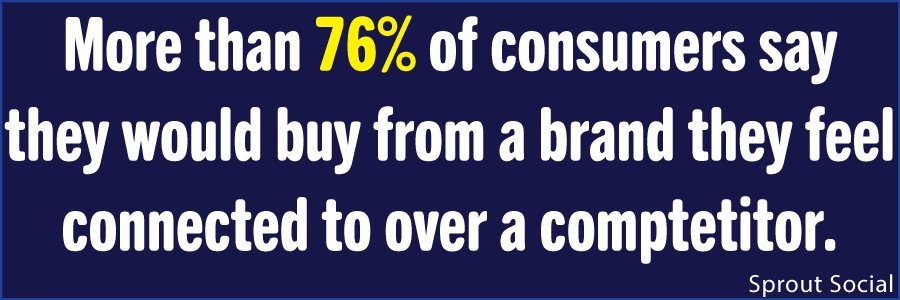
People want to feel connected to brands in some way, and brands are achieving this by creating content that is more relatable and often user generated. This type of strategy fosters a deeper connection and provides a way for people to engage in meaningful conversation.  

United Airlines

United uses a different approach over JetBlue in that they utilize a creator mindset where they embrace a storytelling approach to content creation that is engaging and entertaining, and relatable while naturally weaving in the brand. 

User Generated Content

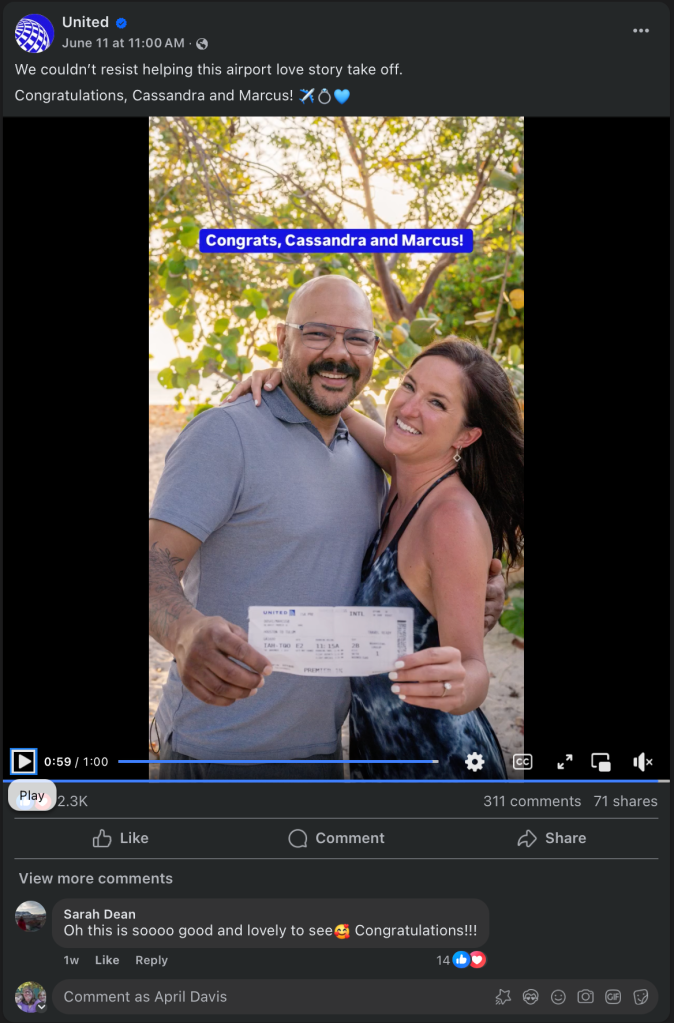
They also include user generated content which helps to showcase authentic experiences by people allowing the brand and its consumers to connect on a more personal level. 

Credit: United Airlines Official Facebook Page

Camp Being United Program

United also offers a program for employees who are influencers, it gives them a chance to learn more about social media content creation and to connect with other like-minded employees. 

Credit: @Natalieinthecity, Youtube

Authentic Engagement

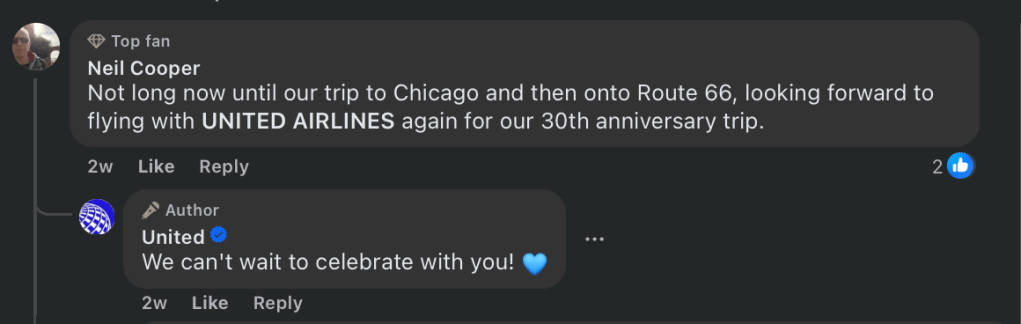
United engages its audience by responding to followers and viewers with positive and clever responses while trying to encourage further conversation. They not only comment on their own posts but on other United-related and general viral content. 

Credit: United Airlines Official Facebook Page

Taking the Good with the Bad

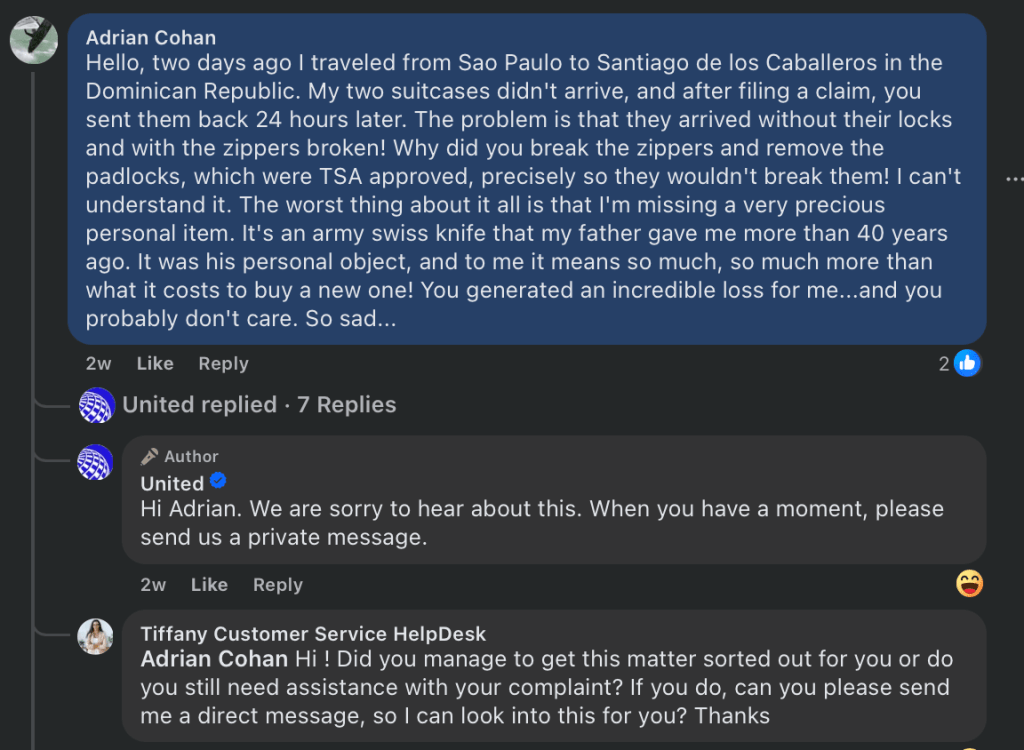
Credit: United Airlines Official Facebook Page

United also addresses customers who have poor experiences with their airline. They reply to comments made on social media and provide a way for commenters to resolve their issues.

JetBlue

Consumer engagement is important to JetBlue, they interact with consumers, address concerns and engage in conversation. They like to use humor, offer behind the scenes pictures and videos, also they host contests to create a positive fun environment on their social media pages. 

Influencer Marketing

Video Credit: @OfficialSAARAH

JetBlue also utilizes partnerships with online influencers where they offer free flights for honest reviews which helps to generate positive word of mouth for the brand and builds loyalty. They also utilize User-generated content and encourage passengers to share their experiences with the airline which in turn helps to portray the brand in a positive light. 

Interactive Billboard

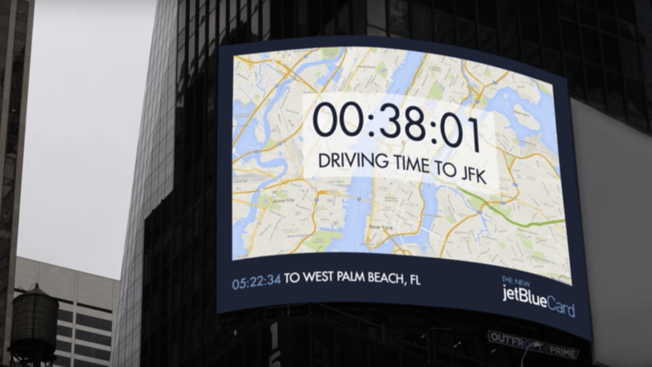
JetBlue installed an interactive digital billboard in New York’s John F Kennedy airport which connects a feed of data that leverages traffic, airport lines, and JetBlue flight information so that passengers can get a feel for how long it would take to board a flight at the airport using JetBlue. 

Addressing Consumer Concerns

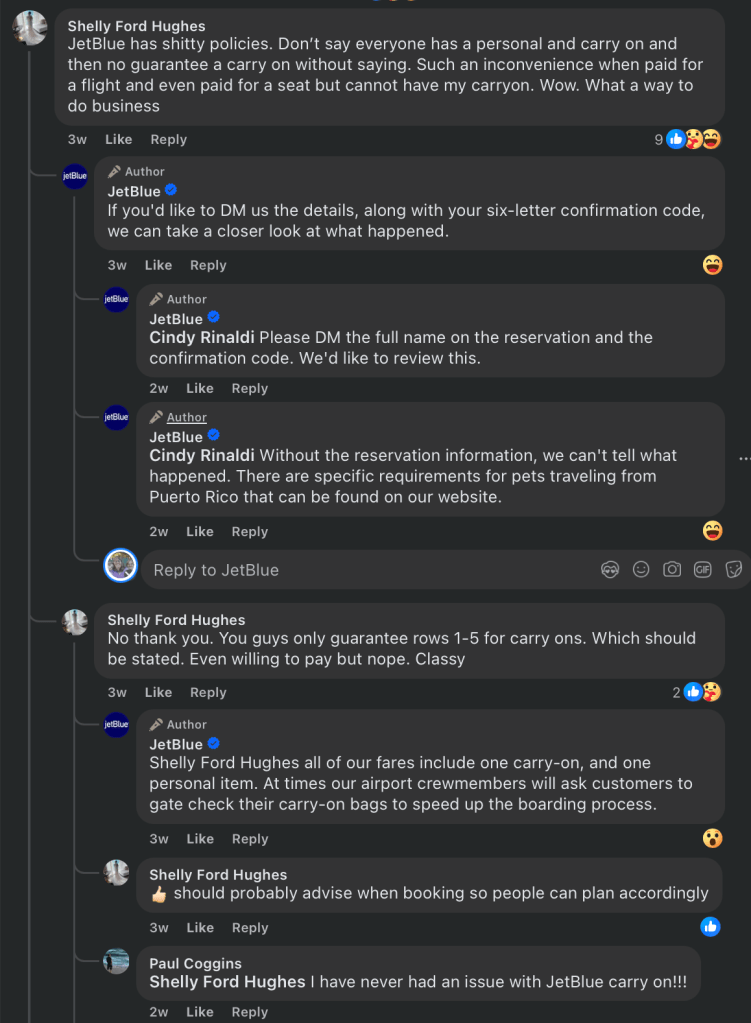
Like United, JetBlue also responds to people who might have had problems while flying with them. They like to avoid generic automated responses and address each concern individually and offer a way to resolve it by offering an apology, compensation, and how they will work to prevent it in the future. 

Credit: JetBlue Facebook Page

The Final Verdict

After looking at both airline’s social media pages from my personal perspective, I think that United does it better. Their content feels more organic, while JetBlue’s posts come across as more like advertisements than genuine engagement. They advertise frequently, posting ads for low-cost flights, while United shares content about new features that doesn’t feel promotional.

What are your thoughts on United and JetBlue? Comment below if you agree or disagree that their social media pages are more human-centric or simply another business presence on social media.

Why Orkut Failed: Key Insights for Social Media Success

Social Media Consumers are a Function of technology and Culture

Brazil has become one of the strongest markets for online retailers, ranking as the fifth largest in the world. A significant number of Brazilians are active users of digital and social media; 77% have a positive view of online shopping, and four out of five use social media to research products. Most users also trust recommendations from their online contacts more than other sources. Social media and online shopping have become integral parts of everyday life for Brazilians, similar to trends seen in many other countries. 

Orkut’s Eventual Failure 

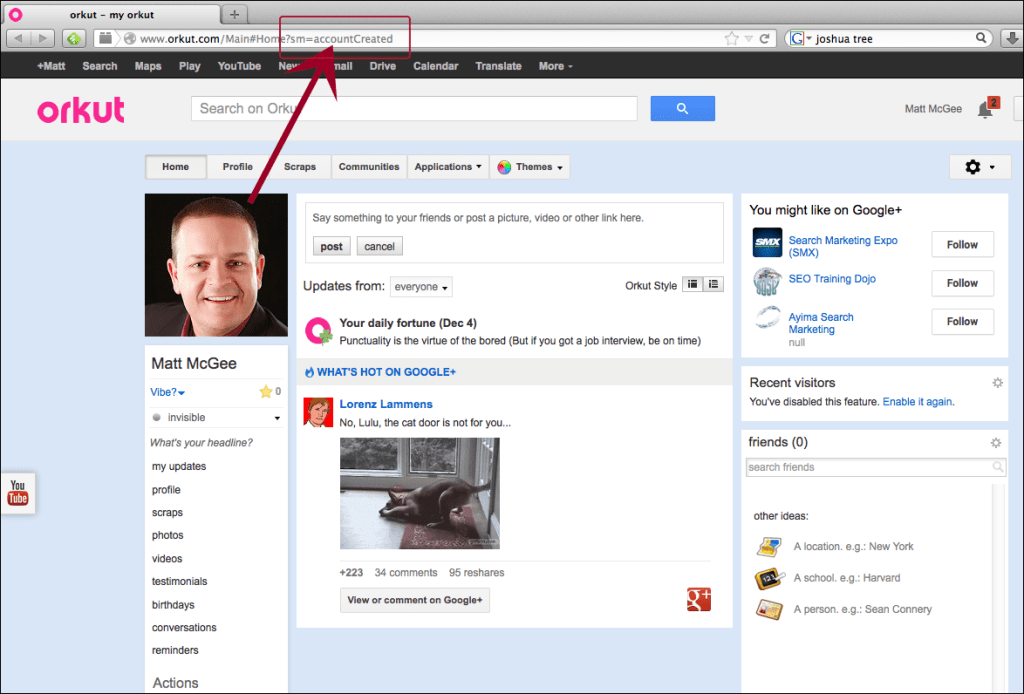
For companies to succeed in the Brazilian market, they must engage users through social media, as it has become an essential part of daily life for connecting with others in online communities. Orkut eventually declined because its original infrastructure struggled to accommodate its large user base, resulting in outages and performance issues. Additionally, it lacked features such as a news feed and privacy settings, which made it difficult for Orkut to compete with other social media platforms like Facebook. Moreover, its global reach was limited; while it was popular in Brazil and India, it failed to gain traction in other markets. 

Failure to Evolve

Part of Orkut’s downfall was its failure to evolve and prioritize user needs and expectations. For social media apps to remain relevant, they must constantly seek user feedback to stay ahead of the market.

Platform Stability and User Experience

Orkut struggled to provide meaningful improvements to its platform, resulting in a poor user experience and making the app difficult to use. Social media platforms need to consistently update and enhance their user interfaces to stay in line with current trends, as this will help retain active users.

Competition

With the rise of Facebook and its swift popularity, Orkut was unable to revive itself. Due to unsuccessful redesigns, users began to prefer Facebook, which provided a superior user experience and a more engaging interface.

Lessons Learned

What can we learn from Orkut’s experience? In today’s fast-paced and ever-changing landscape of social media applications, it is essential for companies to stay current and continuously evolve to meet user needs and preferences. As we have shifted towards a more mobile experience with phones and tablets, falling behind is not an option for companies that want to remain competitive in the social media market.

Knowing Your Target Audience

Weixin (pronounced “way-shin”), a popular Chinese social media application, knows a thing or two about building a successful application that appeals to its target audience. The app has more than 300 million active users in China, Southeast Asia, Europe, and America, and Tencent, which owns Weixin, is worth over $100 billion on the Hong Kong exchange. While Weixin is not unlike other applications here in the U.S., such as Facebook and Instagram, they have built an app that appeals greatly to their target audience by knowing what they want and catering to those needs. 

All-In-One

Users prefer applications that consolidate all their needs in one place, rather than searching for various options. Weixin is an all-inclusive app; users can send private messages, give life updates, receive news, post pictures and videos, and even find a cab. Other app features include the ability to record messages instead of typing them, and it also offers online store options where users can buy or open and sell items to other users. The idea is for the app to provide many options to keep users within the app and maximize usage and audience flow. The app itself is straightforward to use, and with its all-in-one features, it has become the norm for Chinese people to use it regularly. 

Wechat is valued at a trillion dollars....
Weixin and WeChat are sister applications, Weixin is offered on Mainland China and WeChat is offered in other countries but the applications offer the same features.

Updating App Functions

Weixin also keeps up with what users want and need by regularly introducing new app functions or campaigns. During the Chinese New Year, Weixin introduced a Red Envelope campaign. During the holidays, it is customary for people to exchange monetary gifts with family and friends, and Weixin made this easy for its users. They allowed users to link their bank account to their Weixin account, making it easy to send gifts. As a result of this campaign, nearly 5 million people participated and sent out 20 million cash-filled red envelopes virtually. 

7 Key Tactics to Master WeChat Red Envelope Marketing

Weixin also introduced Didi Taxi, a cab reservation function that allowed users to book a taxi via Weixin payment. This app connected 350,000 taxi drivers in more than 30 cities in China, and so far, 22 million users have used the service. This feature benefits users by simplifying cab access while allowing Tencent to generate revenue, benefiting all parties involved.

Audience Analysis

Weixin focuses on mobile phone users since the app is available wherever they are—at home, at work, or on the go. Users always have it at their fingertips. By providing an all-in-one experience and evolving app functions, Weixin has become a part of its users’ everyday routines, similar to how people in the U.S. use Instagram or Facebook. Checking the app regularly has become a positive part of many people’s daily routines, highlighting its integration into their lives and the valuable insights it provides.

Knowing your Audience

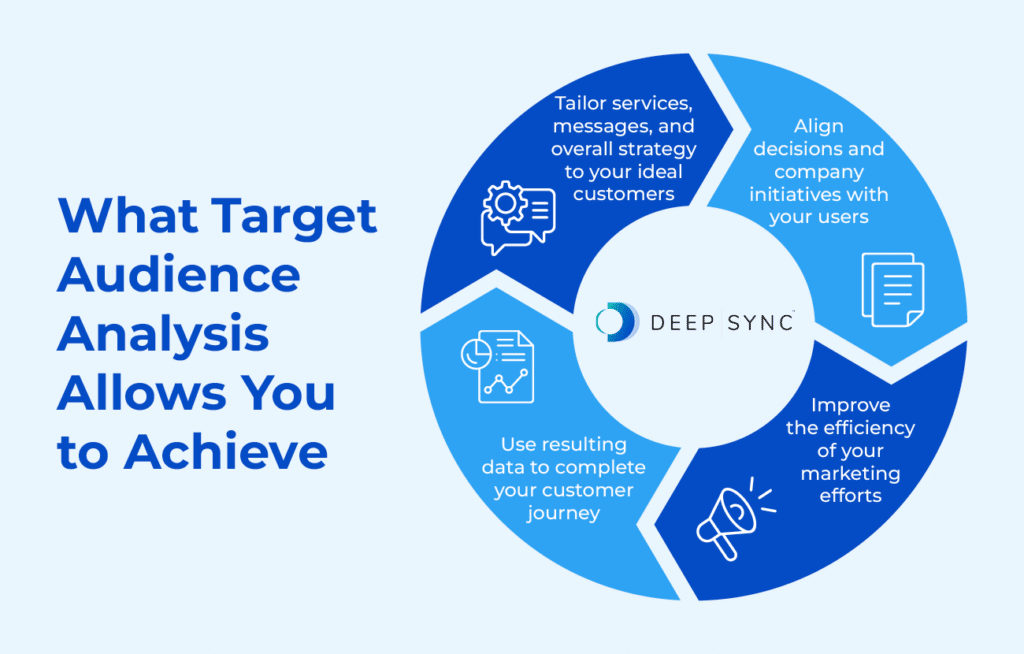
Knowing your audience’s interests and preferences allows you to create content that resonates with specific groups. This can lead to higher engagement and brand connection, which in turn leads to more loyal users. This is why an audience analysis is an essential step in any marketing strategy.

What Is Target Audience Analysis? Defining Your Ideal Audience - Deep Sync

Cyberactivism: Effective at Change or Virtue Signaling?

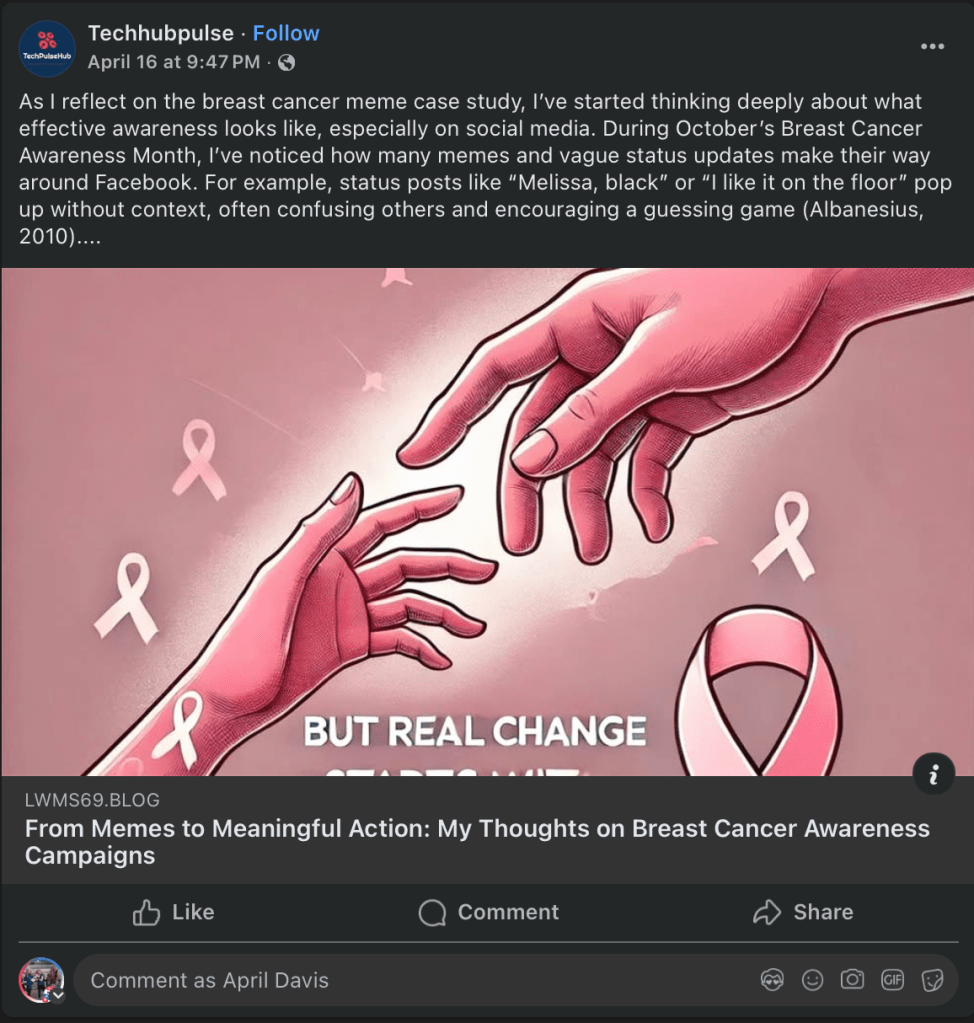
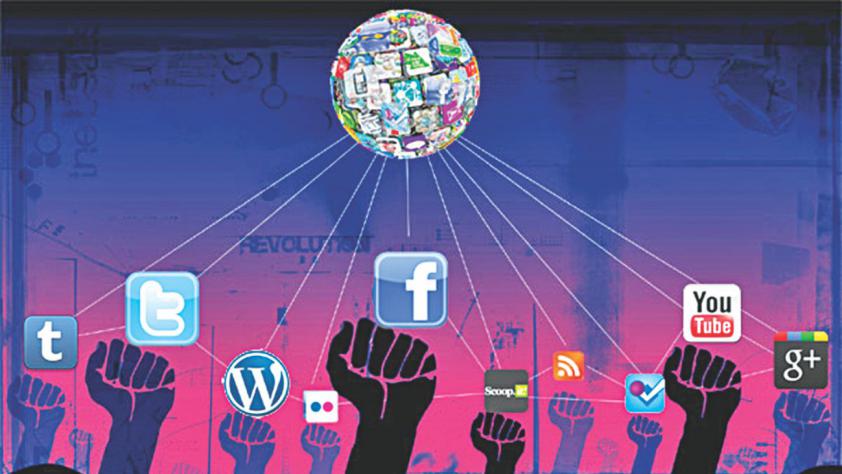
We’ve all experienced Cyberactivism at some point, especially if you spend time on social media. People ask you to share a picture or change your status to show your support. At some point, you have to ask yourself, what, if anything, does this do to help this specific cause?

Breast Cancer Awareness Month Meets Cyberactivism

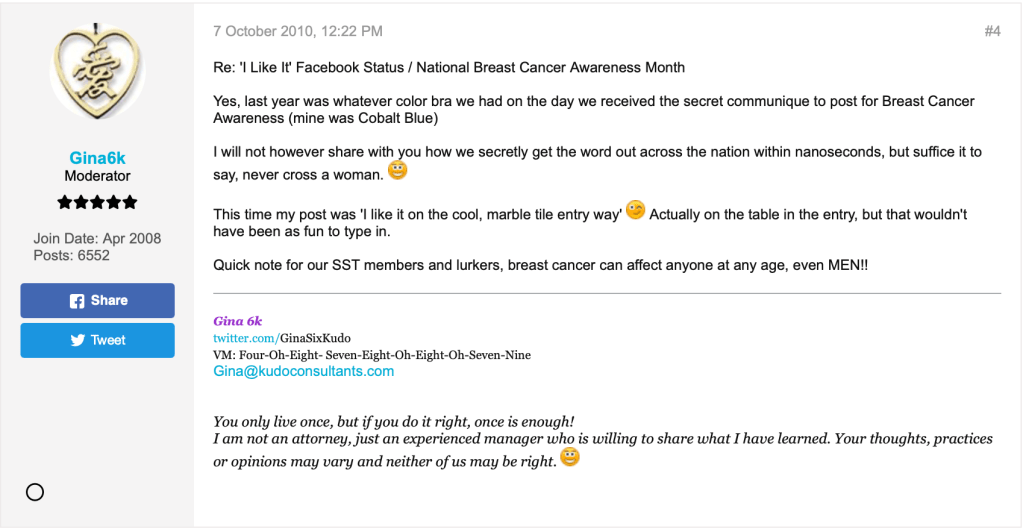
Breast Cancer Awareness Month is held in October, and we tend to see a lot of different organizations asking for donations to help with research. One such example of Cyberactivism for Breast Cancer Awareness Month was when women privately messaged other women asking them to put a single colour as their status update and that it be the colour of the bra they were wearing. This viral meme has continued but varied each year, with another one asking women to change their Facebook status to the location in which they like to keep their purse, with answers being “I like it on the desk” or “I like it behind the couch” which sexualized the meme and caused more women to share it.

Did It Really Help?

The meme was very successful in its call for women to participate, but did it truly result in people actively going out and supporting people with breast cancer? The Susan G Komen Foundation reported increased interest and contributions after the memes became popular but couldn’t link the cause directly to the meme’s success. Another issue was that some felt that sexualizing breast cancer was not ok, while others had hoped that a more productive option had been considered, such as sharing breast cancer prevention materials or sharing information about where you could place a donation. The biggest issue is that there was no real-life call to action, unlike other fundraising methods for breast cancer research like Relay for Life, where participants actively participate.

Virtue Signaling

Some argue that Cyberactivism is nothing more than an ineffective and lazy form of activism that produces no result, with some taking the opportunity to join in simply to look as if they care but not following up with an action that helps the cause. While the Breast Cancer Awareness meme allowed people to participate, there was no result from it, and most people didn’t know what the status updates meant if they didn’t get the initial message explaining it, so you must ask, what did it accomplish in the end? Did it raise awareness for the cause? Or was it just a way for people to feel like they did something good without real participation?

A Campaign With Results

If you want to get results from your social media campaign, it would be beneficial if that campaign were linked to something tangible. This could be a link to information that could benefit someone, a chance to volunteer, donate money, sign a petition, or write a letter that could affect some kind of change. Social media has the power to spread information very quickly, which can garner support for issues, especially when it comes to supporting people who are fighting cancer. But people must ensure your campaign isn’t highjacked, which could discredit your cause.

Overall, social media is a great place to start when you want to bring awareness to an important issue. Just be clear about what you are supporting and give people a real-life component that can help them truly support your cause with real results. Social media is very fast-paced, so it is essential to move quickly. Support for your cause may quickly die out, so short-term campaigns may work best.

Thinking Outside the Box: Warby Parker

By: April Davis • April 3, 2025

Warby Parker Changed the Game

In 2010 a group of classmates from the University of Pennsylvania set out to change the way people shop for and buy eyeglasses. Being fed up with the cost of lenses and frames, the trip to the eye doctor in order to choose these items and with the idea that rural customers had it harder than others Neil Blumenthal, Andrew Hunt, David Gilboa, and Jeffrey Raider set out to create Warby Parker. 

Their business model removed the showroom element that utilized outside manufacturers and opted for designing glasses in-house and selling directly to the consumer cutting out the middleman making their product less costly. The catch? The Internet was a key part of their success. Instead of having showrooms, they opted for a website instead. 

Home Try-On Campaign

You might ask, weren’t customers leery of not being able to try on eyeglasses, as from personal experience finding the right pair can be hard. Well, they had an answer for that as well. Warby Parker launched the “Home Try-On Campaign” in which consumers were able to pick out 5 pairs of glasses online and have them shipped to their home to try and then send back the pairs they didn’t want with Warby Parker paying for the shipping costs. 

Gaining New Customers

When you think about buying a new product from a company you’ve never bought from the experience can make you feel unsure of a lot of different factors, is the product a good quality, will it last, is it worth the price? Often people fear they might experience buyer’s remorse if they do purchase it because it is out of their character to purchase an item, like eyeglasses anywhere but from your eye doctor. We call this cognitive dissonance, and many companies face this with new products because people might be hesitant to stray from trusted products and brands that they know work. Warby Parker faced this exact scenario with their products, but chose to utilize something that companies didn’t usually utilize, Social Media. 

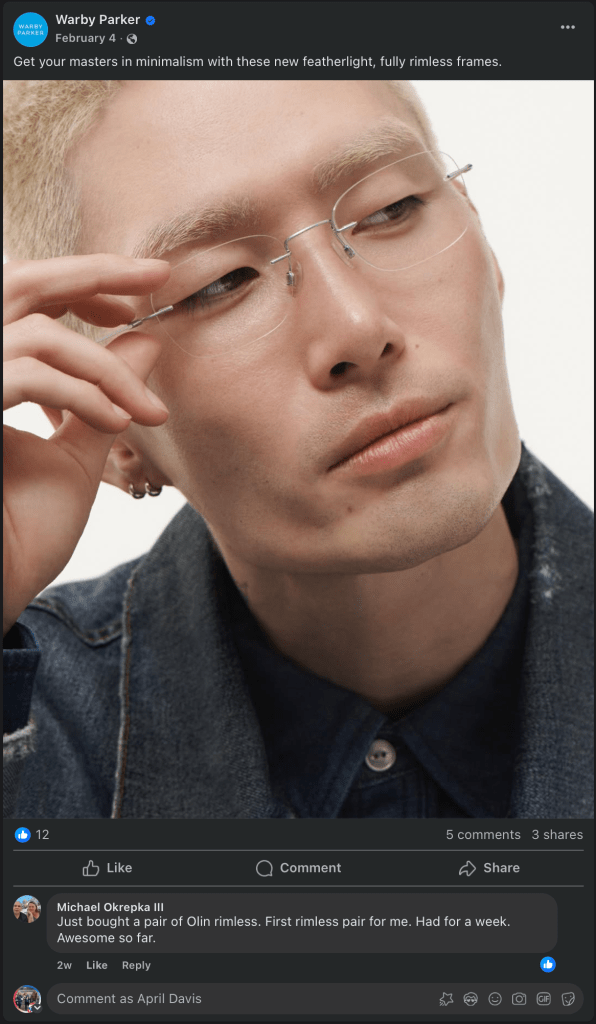
Social Media changed the game for many companies. For Warby Parker they used it to connect directly to the consumer through social media platforms where they encouraged people to share their experience and interacted with customers by communicating and responding to customer comments on social media. They also encouraged consumers to participate by posting pictures of them wearing their Warby Parker’s on Facebook, Twitter and Instagram which created a wealth of user generated content for the company. 

User Generated Content

Now you might ask why that is significant because people share all kinds of things on social media. Well, it’s significant because it’s not a product recommendation by the company selling the product, its everyday consumers who purchased the product and liked it enough to share their experience. Ninety percent of people…that’s a lot…read online reviews before making a purchase and trust those reviews as much as a personal recommendation from a friend or family member. So, in order to build a strong reputation Warby Parker welcomed the use of social media and the resulting user-generated content which gave them the brand loyalty they experience today and is a permanent part of their business strategy. 

Why Social Media

Social media should be a key part of any businesses strategy to further their company, as we see with how often people consult a business’s Facebook or Instagram page to find out more about them, a consumer is less likely to try a business that doesn’t utilize social media than those who do because it can signal a lack of trust, engagement with consumers and accessibility to their products. 84% of people will search for brands on social media before they make a purchase and 59% of businesses make more sales through social media marketing than other forms of marketing.

If you are considering starting a company or already have one, take a page from Warby Parker’s playbook and utilize social media, it is a low-cost option compared to traditional advertising methods and can provide a direct link to potential consumers that could lead to increased brand reputation and sales. It can also lead to those same consumers becoming lifetime brand advocates.


Leave a comment


Blog at WordPress.com.

Up ↑