The Four P’s
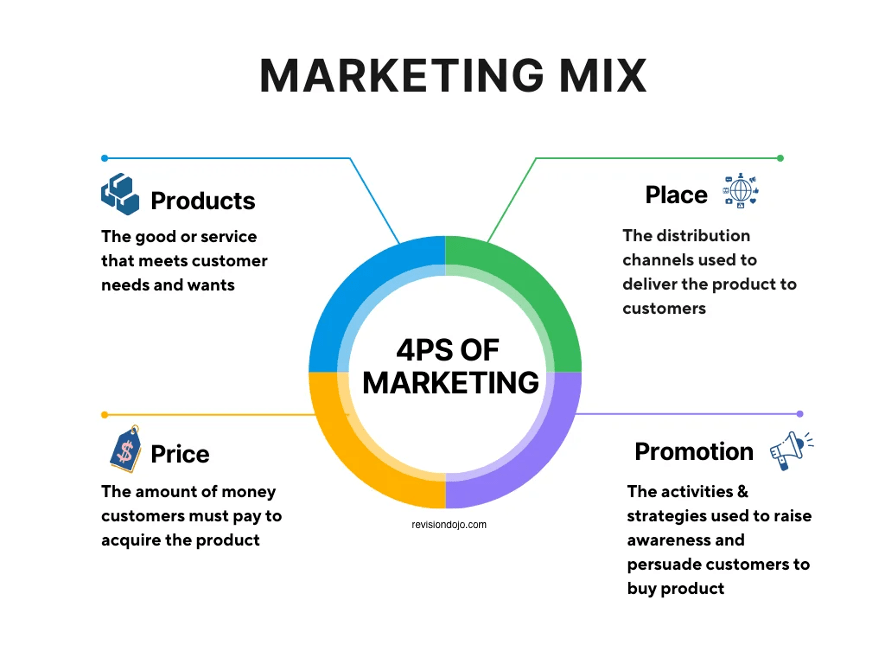
Product:
Effective product development depends on in-depth market research and a thorough understanding of consumer behavior. Beyond the products core functionality a strong product strategy considers design, packaging, quality, features, and brand positioning. In highly competitive markets, innovation and differentiation are essential for a product to stand out.
Price:
It’s the only element of the four P’s that brings in money: the other parts cost money. Price affects how customers see the product and the brand.
Marketers often choose between several strategies:
- Cost-based pricing: Setting a price by adding a profit margin to the cost of making the product.
- Value-based pricing: Pricing the product based on what customers think it is worth.
- Competitive pricing: Setting the price similar to what competitors charge.
- Dynamic pricing: Changing prices depending on demand at different times.
Companies must balance how much customers are willing to pay with how much money they want to make. Price can also send a message—a high price can suggest high quality, while a low price can make something seem affordable.
Place:
Today, “Place” means more than just selling products in a store. It includes online stores, physical shops, and direct customer sales.
The aim is to make sure customers can get the product where and when they want it. Managing convenience, shipping, and stock is essential. Technology has enabled businesses of all types to sell to people worldwide. When distribution works smoothly, customers are more satisfied.
Promotion:
“Promotion” covers every way a business communicates with customers to raise awareness and encourage sales. It’s often the first thing people imagine when they think about marketing.
There are many different ways to promote a product, such as:
- Advertising: Paying for exposure through television, online ads, the radio, or outdoor signs.
- Public Relations (PR): Shaping how the public and media view the brand.
- Digital Marketing: Using tools like search engine optimization (SEO), emails, and articles to reach people online.
- Social Media: Interacting with customers on platforms such as LinkedIn, Instagram, Facebook and TikTok.
Good promotion must target the audience’s preferences and align with the positioning of the product (How a product is perceived in the minds of target customers relative to competitors, focusing on its unique value proposition, benefits, and market differentiation). Today, businesses often use content marketing, work with influencers, and use automation (The use of software and technology to streamline, automate, and measure repetitive marketing tasks) to guide potential buyers. A well-rounded campaign could include influencers to spread the word and targeted ads on google, Facebook, or Instagram to encourage purchases.
The Four C’s
A more modern approach to the four P’s is the four C’s which is a more customer centric approach. Instead of focusing on the product, you are taking on a consumer-focused model. This method is effective for modern digital marketing where interactions with consumers is key to building your brand.
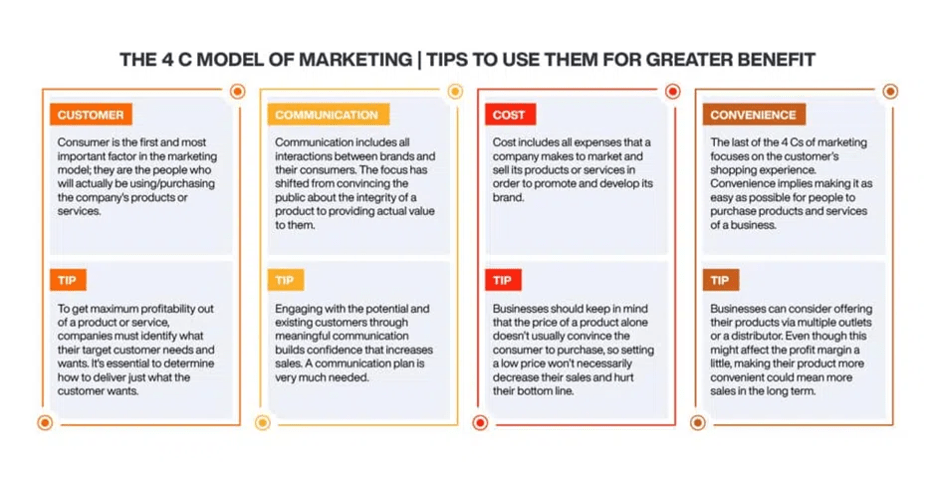
Product corresponds to Consumer Wants and Needs. Rather than simply creating products to introduce to the market, businesses must design offerings that directly address consumer needs. The widespread accessibility of markets via the internet has rendered mass marketing strategies insufficient.
Price corresponds to Cost. In the four Ps framework, price is determined from the seller’s perspective, considering production, marketing, and profit margins. In contrast, the four Cs approach evaluates cost from the consumer’s viewpoint, incorporating not only manufacturing expenses but also the consumer’s willingness to pay. Factors such as brand, convenience, and perceived value also influence purchasing decisions. All these elements should be considered when establishing the price of a product or service.
Place corresponds to Convenience. Purchase accessibility refers to the ease or difficulty with which consumers can acquire a product or service from a business. This concept extends beyond the distinction between online and brick-and-mortar stores, encompassing the overall convenience of the purchasing process. From the consumer’s perspective, considerations include whether products must be ordered online and if additional shipping charges increase the total cost, or whether significant travel is required to reach a physical location, thereby incurring transportation expenses. These factors collectively influence the consumer’s decision-making process. Optimizing the purchase journey for convenience is essential to attract and retain customers.
Promotion corresponds to Communication. Traditionally, marketing focused on promoting a product’s benefits and persuading customers to buy. Today, companies engage with consumers by actively seeking feedback and understanding their needs. This approach involves meaningful conversations, often facilitated through social media. Building trust and loyalty through these relationships creates value for both the company and its customers.
Benefits to using the Four C method
Within this marketing mix framework, the consumer occupies a central role. By understanding consumer needs and preferences, businesses can tailor products and services to better meet these demands, thereby increasing sales. Communication is also fundamental to the four C’s model. Since the focus is on the consumer, actively seeking and incorporating consumer feedback enables organizations to improve their offerings. This process enhances brand desirability and demonstrates responsiveness to consumer opinions, fostering trust and customer loyalty.
The market has changed rapidly since the onset of the IOT (internet of things) changing how companies run and how they market to people. Instead of a seller centric strategy (the four P’s) modern marketers have pivoted to using the Four C’s method.
Market Research and Knowing your Target Audience
The foundation of any marketing plan is the target audience. Understanding what will resonate with this audience is essential for effective marketing. Marketers must identify who the audience is (demographics), why they make purchasing decisions (psychographics), and how they interact with products or services (behavioral). This process is known as market segmentation.
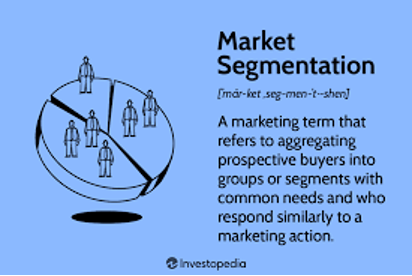
The composition of a target audience is determined by demographic information and tells you who the consumer is.
Demographic factors include:
• Gender
• Age
• Ethnicity
• Education
• Occupation/employment status
• Income
• Family status
• Household size• Geographic Location
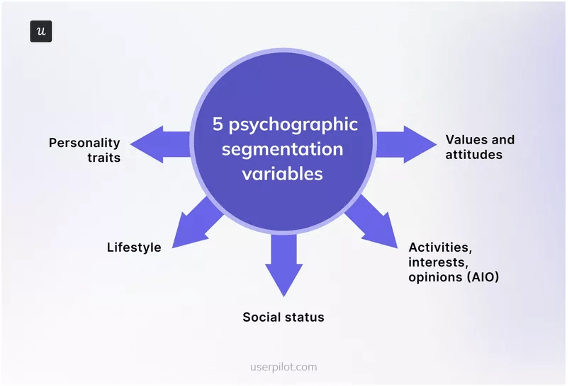
Psychographic information is based on attributes that drive consumer motives, attitudes and lifestyle choices. This information helps you understand the market based on socio-economic class or lifestyle.
Psychographic Factors include:
• Values
• Beliefs
• Interests
• Personality traits
• Lifestyles Choices
Behavioral Segmentation
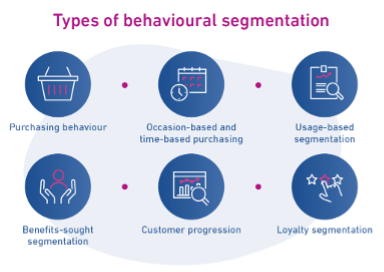
Behavioral segmentation involves dividing consumers into groups based on their actions, purchasing habits, brand interactions, and usage patterns. This approach enables marketers to target distinct consumer groups by understanding variations in preferences, needs, and desires. Ultimately, behavioral segmentation facilitates the development of more personalized and relevant messaging for each consumer type.
Why Marketing Segmentation is Important
Imagine trying to market a product or service to a group of people who don’t share the same wants or needs, or possibly people who aren’t even interested in your product. Breaking down the market into smaller groups of people who, for example, have similar incomes, are the same generation, and share similar lifestyle choices allows brands to adjust their products and marketing to more effectively address the needs and preferences of a more defined target audience.
Benefits of Market Segmentation
Improved marketing: Instead of campaigns that target a broad range of consumers, companies can create tailored product messaging for a more defined target audience, reducing spending on consumers who aren’t interested.
Product Development: A better understanding of consumer needs enables the development of products that meet those needs.
Higher-quality leads: When you use targeted marketing, your brand message will reach the right people, which can lead to more sales.
Consumer loyalty and retention: When you demonstrate a deep understanding of your target audience’s specific needs, it can help build trust and foster brand loyalty.
Competitive Advantage: A targeted approach can help a company to stand out from its competitors by better serving specific target market segments.
Call to Action
If you oversaw marketing at a company, how would you handle the marketing mix, would you use the 4 P’s, the 4 C’s or a combination of both? In the modern world are the 4 P’s outdated to the point that they are irrelevant? Continue the conversation and let us know what you think and leave a comment below.



 Social Success